

Unlocking the World’s Top 10 “Gross Foods” One by One
This list looks at three things: visual shock value, how unusual the ingredient is, and how challenging the flavor is for a Western palate. Many of the dishes, however, are everyday specialties where they come from. As you read, you can score them yourself: is this “absolutely no way”, or “maybe… if I’m feeling brave”?
1. Tree Worms (Philippines)
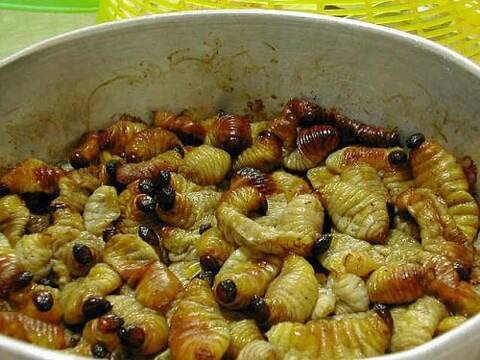
Believe it or not, this is a celebrated specialty in Palawan in the Philippines. Vendors dig out thick white grubs that live in coconut or palm trees, clean them briefly, and then serve them either raw or lightly grilled.
Local foodie Shebeen Daklanil says tree worms taste a bit like oysters – soft, rich and fatty – and the most hard‑core way to eat them is raw, dipped in a sauce of calamansi (or lemon), vinegar and salt. One bite is an explosion of briny “freshness”. If you’re ever on the beaches of Palawan, you can find these “hard‑mode sea snacks” at many stalls.
One important tip: don’t swallow the head. That little dark nub at the end is hard as a pebble and can be seriously unpleasant to bite down on. Locals usually remove it first and only eat the plump middle part.
2. Fermented Bean Cake “Tempeh” (Indonesia)
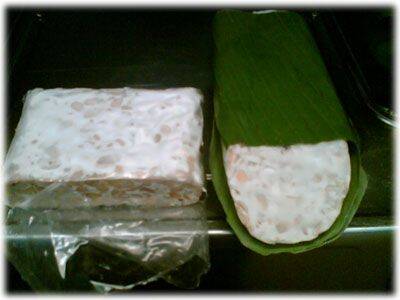
Next on the list isn’t really “gross” at all to many people – it’s practically a health snack. Tempeh is a common Indonesian fermented soy product: soybeans (and sometimes mixed legumes) are fermented into a firm cake, then sliced and fried, pan‑seared or baked.
According to recommender Huang Qiu, proper tempeh has a gentle bean aroma and a faint bitterness from fermentation, but the texture is as addictive as potato chips – thin, crisp, golden and salty, perfect with chili sauce. It’s also beloved in the vegetarian world as a high‑protein meat substitute.
3. Fried Tarantulas (Cambodia)
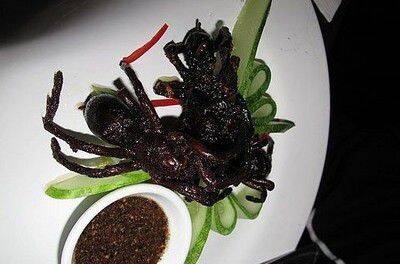
This one demands serious mental prep. The story goes that during the 1970s famine in Cambodia, people began throwing any spiders they could catch into hot oil just to survive – and over time, deep‑fried tarantulas evolved into a recognizable street food.
Recommender Lee Edward Van Laer reports that fried tarantula has a crisp shell, slightly fibrous legs, and a soft, pasty interior reminiscent of crab roe – but overall, he admits, “it doesn’t actually taste that good”, and he ranks fried crickets much higher. Still, brave souls can find platefuls of black, hairy “spider mountains” at night markets and roadside stalls in several Cambodian towns.
4. Fried Cicadas (Thailand)
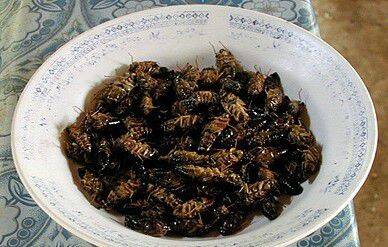
In Chiang Mai, fried cicadas are a regular on both restaurant menus and home dinner tables. Because many larger wild animals are protected in rural areas, villagers often rely on cicadas and their larvae during the season to supplement their protein intake – a truly “all‑natural high‑protein snack”. On night‑market stalls, trays of golden, crispy cicadas sit right next to deep‑fried bamboo worms and grasshoppers, just waiting for someone whose courage bar is full.
Adam Lambert‑Gruen describes his first bite like this: at first crunch it’s like eating peanuts, and after a few chews you start getting something closer to a charred steak aroma. Sounds… kind of promising? If you’ve actually tried them, drop a comment: are they “shockingly delicious” or does the mental hurdle win?
5. Escamoles (Mexico)
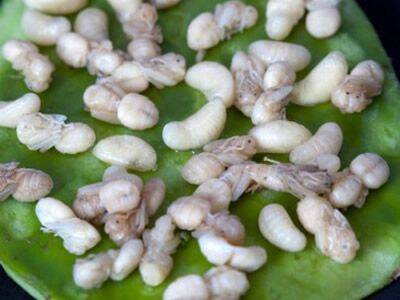
The name might not ring a bell, but the ingredient will: ant larvae harvested from plant roots and stems. Locals collect the larvae, rinse and season them, then fry them lightly and spoon them over crisp fried tortillas, creating a dish often nicknamed “insect caviar”.
If you can temporarily forget that you’re eating insects, you might notice they actually look a bit like soft cheese curds. They have a subtle pop when you bite them, a tender, creamy texture, and a flavor somewhere between butter and nuts. Compared to purely shock‑value dishes, escamoles fall more into the “looks scary, tastes amazing” camp.
6. Casu Marzu – Maggot Cheese (Sardinia, Italy)
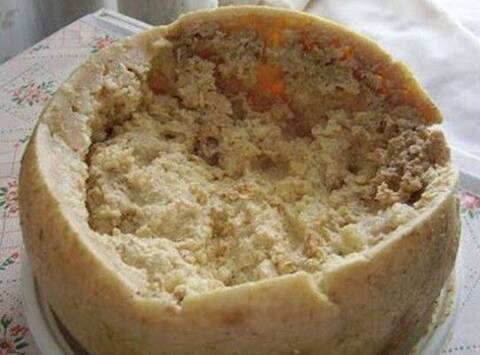
Now we’re into true heavy‑hitters. Sardinia’s traditional maggot cheese, Casu Marzu, also relies on insect larvae like escamoles do, but it’s even more extreme: cheesemakers deliberately introduce specific fly species into high‑fat sheep’s cheese so the larvae can grow inside and break down the fats, creating an almost explosively pungent, spicy, fermented flavor.
Only when the surface is literally crawling with live white maggots is the cheese considered “ripe”. People say the mouthfeel is velvety but shot through with an aggressive, burning fermentation, unlike the gentle creaminess of regular cheese. For most first‑timers, just seeing that writhing cheese wheel is enough to make their scalp tingle — anyone who can dig in calmly is on a different level of bravado.
7. Balut – Fertilized Duck Egg (Philippines)
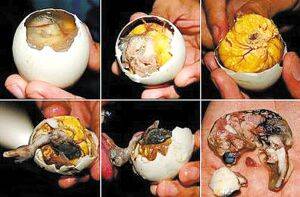
Here comes another highly controversial Filipino classic – and for many people, the strangest entry on the list. Balut is made by incubating fertilized duck eggs until the embryo is formed but not fully developed, then boiling the entire egg in its shell. You crack it open, sprinkle some salt or drizzle a little vinegar, and slurp it down on the spot.
One bite gives you hot, savory broth like duck bone soup, plus the creamy richness of egg yolk and the chewy texture of a half‑formed duck embryo. Some describe it as “a bowl of concentrated duck soup plus a whole tiny duck in one shell”. In many parts of the Philippines it’s both a street snack and a late‑night drinking companion. Filipino readers: how did this dish come to be, and how did it become so many people’s taste of childhood?
8. Kale Pache (Iran)
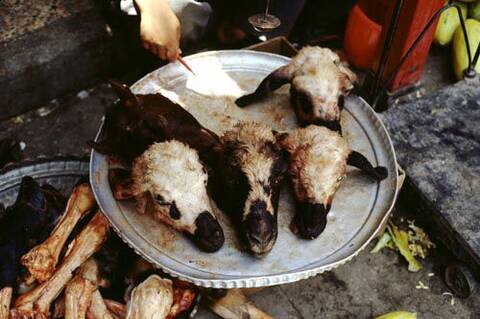
Iranians are masters at “using the whole animal”. Kale Pache, a traditional sheep‑head soup, puts almost every part to work: the head, trotters, stomach, and sometimes tongue and eyes are simmered together for hours until collagen and fat fully melt into the broth. The finished soup is milky, glossy with fat and deeply aromatic – sheer heaven for offal lovers.
Many Iranians and diners across the Middle East like to have a bowl of Kale Pache first thing in the morning as a “power breakfast” that warms the stomach and keeps you full for hours. For those used to light, clean flavors, though, the intense combination of mutton gaminess and organ aromas can be very polarizing. Similar dishes appear across the Arab world as well — proof that hardcore comfort foods easily cross borders.
9. Crialldias (Spain)
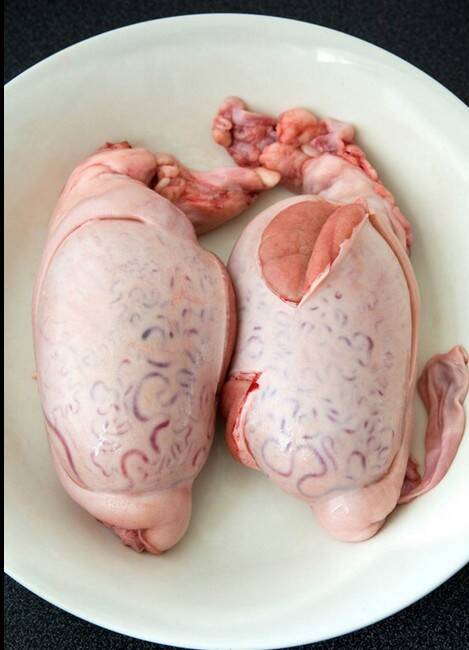
The name might sound unfamiliar, but once you learn that it refers to bull testicles, everything clicks into place. Crialldias are usually made by cleaning and slicing the testicles, coating them in flour or batter and deep‑frying, or pan‑searing them with onions and peppers. On the plate they can look deceptively similar to regular schnitzel or meat croquettes.
In some regions they’re marketed as a dish “every real man must try”, symbolizing courage and strength. Many young locals treat it as a kind of macho coming‑of‑age challenge: if you can finish an entire plate without flinching, all the other foods on this “gross list” are nothing more than light snacks. So… would you dare?
10. Century Eggs (China)
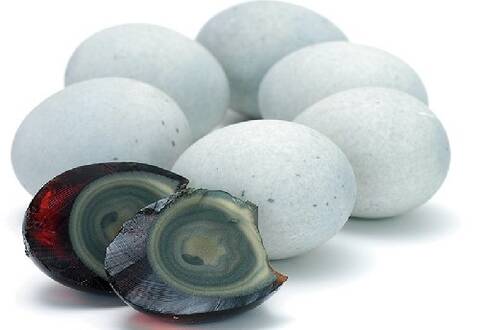
Last but not least is something deeply familiar to Chinese diners: the century egg. CNN once called it one of China’s favorite appetizers, praising how well it pairs with pickled ginger, chilled tofu, or a hot, comforting bowl of congee. To many Westerners, though, it’s the undisputed “final boss” of Chinese gross‑food stereotypes.
After trying one, American taster Danny Hovada bluntly said, “It’s terrifying – like eating a rotten egg.” In reality, century eggs are made by coating duck eggs in an alkaline mixture of lime, ash, clay and other ingredients and aging them for months. The whites turn into translucent dark brown jelly, while the yolks become creamy and crumbly with a strong, ammonia‑like, mineral aroma. For those who grew up with them, that’s a deeply addictive, aged umami bomb; but for first‑timers, the inky color and intense flavor can trigger an instinctive step back.
Final Thoughts: Gross or Delicious? Often Just a Matter of Culture
By now it should be clear that most so‑called “gross foods” are really just products of different food cultures and eating habits. What’s an ordinary home‑cooked dish in one place can easily become a nightmare dare in another. Flip it around: the century eggs, stinky tofu or spicy blood‑soup dishes we happily devour are just as extreme to many foreign visitors.
Taste has never been an objective standard. It’s shaped by where we grow up, what we eat as kids and the food culture that surrounds us. The next time you see a “world’s grossest foods” list, maybe try a little less judgment and a little more curiosity — you might discover that once you finally work up the nerve to take a bite, you gain a food memory you’ll never forget. Out of these ten, which one do you find the most off‑putting, and which one would you actually be willing to try?