
New Orleans Roasted Chicken Drumsticks
The Slow Smoke of New Orleans
Child, you gotta know, there's a pain in the heart of many folks when they try to make New Orleans BBQ Chicken. They rush. Always rushing. The skin burns black like old charcoal, but inside? Raw. Bloody. Or maybe the spices just sit on top, floating like oil on water, never touching the soul of the meat. And don't get me started on using an oven. That ain't barbecue. That's just hot air. You lose the smoke. You lose the spirit. It becomes "Orleans-flavored fried chicken," not the real deal. Not that crispy skin, tender meat, spice-soaked goodness from Louisiana. I remember standing at the Memphis Barbecue Festival years back. Met a man from New Orleans. He handed me a leg. One bite. The crust cracked like thin ice. The meat? Soft as a cloud, but heavy with Cajun spice. I knew then. I had to bring that flavor home to my backyard. Mix my grandfather's slow smoke with his bright, bold spices.
But child, it wasn't easy. First time I tried? Disaster. My fire was too angry. Too hot. The chicken skin turned to ash before the inside knew it was cooking. And the marinade... I made it too wet. Soggy skin. No crunch. Just a messy, sticky mess. I couldn't find the balance. The smoke fought the spices. The fire fought the meat. I sat there, watching my mistake turn black, feeling that sting of failure in my chest. Like when you burn your hand on the grill lid and know it's your own fault.
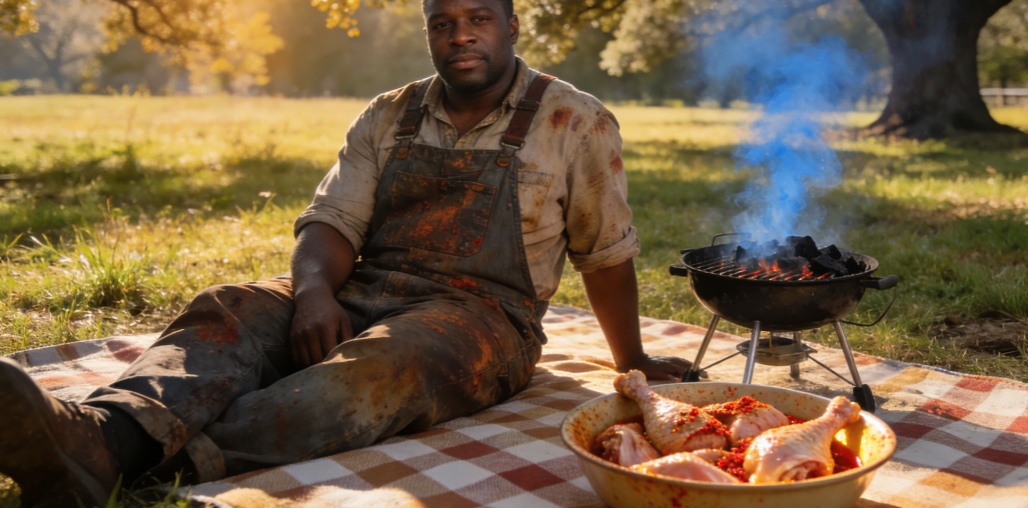
Then I remembered. Grandfather's voice. Soft, like the wind through the corn. "Fire steady, smoke slow, meat wait, no rush." I stopped fighting. I looked at the spices. Cayenne. Paprika. Garlic powder. Brown sugar. Salt. I realized it wasn't about drowning the chicken. It was about layers. Like building a house. Brick by brick. I went back to the old way. Dry rub first. Let it sit. Let the salt pull the moisture out, then pull the flavor back in. Overnight. Then, just a light wet brush later. Not a bath. A whisper.
Grandfather said, curing meat is like bathing a baby, gentle but thorough, so the spices sink into the bones.
That's the secret. Layering. Dry first. Then wet. It creates a crust. A shield. But also a door for the flavor. Look here, child. You need to know your ratios. Too much salt, it's bitter. Too much sugar, it burns. Too little spice, it's sad.
| Marinade Type | Ratio (Spice to Salt/Sugar) | Penetration Depth | Best Use Time |
|---|---|---|---|
| Dry Rub Base | 3 parts Spice, 1 part Salt, 1 part Brown Sugar | Deep, into the muscle fibers | 6 to 12 hours before cooking |
| Wet Baste | 1 part Spice, 2 parts Butter/Oil, 1 part Garlic Juice | Surface only, adds gloss and aroma | Last 10 minutes of cooking |
| Heavy Soak | 4 parts Liquid, 1 part Spice | Very shallow, mostly surface | Avoid for crispy skin goals |
See that? Dry rub goes deep. Wet baste stays on top. That's how you get the crunch without losing the soul.
So I set up the grill out here. Under these oaks. The wind is picking up, flapping the corner of this picnic blanket. Wait, hold on. The blanket. It's grandfather's old checkered one. Wind took it. Dragging it across the grass. Gotta chase it. Kick the dirt. Smooth it out. There. Okay. Where was I? Ah, the fire.
You can't just dump coal and light it. No. You gotta分区 (divide). Create zones. Hot side. Cool side. The chicken doesn't go over the fire. It goes near it. Indirect heat. That's the key. Let the smoke do the work, not the flame.
- Charcoal Partitioning: Pile coals on the left. Pile coals on the right. Leave the middle empty. That's your cooking zone.
- Smoke Control: Add hickory or pecan wood chunks to the coals. You want thin, blue smoke. Not thick, white, billowing clouds. White smoke makes the meat bitter. Blue smoke makes it sweet.
- Doneness Check (No Timer): Don't watch the clock. Watch the meat.
I started the fire early. Morning light hitting the marinated legs. They looked red and ready. Cajun spice mixed with my grandfather's brown sugar rub. Smelled like history. Like New Orleans met Memphis. I placed the legs in the middle. Covered the lid. And waited.
Wait. The smoke. It got thick. Black. Wrong. My eyes stung. No good. Fire too big. I opened the vents. Closed them halfway. Fan the smoke away. Cover. Wait again. Silence. Just the sound of crickets and the distant train whistle blowing down the track. Choo-choo. Fading away.
Time doesn't matter here. Only the feel. The smell. After a while, the scent changed. From raw spice to cooked meat. Sweet. Savory. Smoky. I lifted the lid. Steam hit my face. Hot. Stung my cheeks. But the color... golden brown. Perfect. The crust was forming. Hard. Crispy.
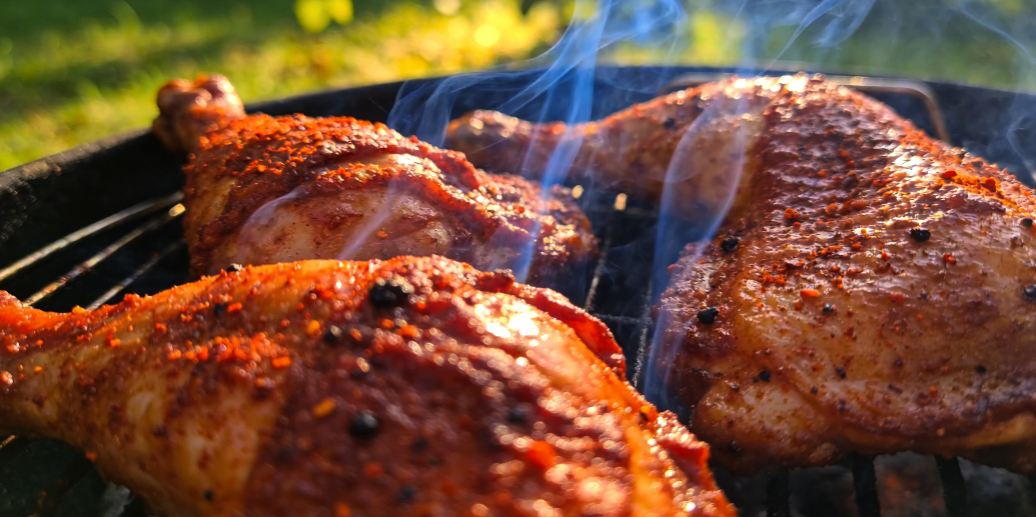
Ten minutes left. Time for the wet touch. Melted butter. Minced garlic. A little more cayenne. I brushed it on. Sizzle. The sound of sugar caramelizing. The skin tightened even more. Shiny. Glazed. Like candy shell.
I sat back. Watched the smoke drift into the trees. A fly buzzed around my ear. Swatted it away. Didn't break my focus. The chicken rested now. Let the juices settle. If you cut too soon, the life runs out. Dry meat. Sad meat. Wait. Just wait.
Finally. I picked up the knife. The blade felt cool against my hot fingers. Cut into the thigh. The sound. Crack. The crust broke. Clear juice flowed out. Steam rose in a white spiral. The meat inside was white, tender, pulling away from the bone effortlessly. The smell... oh, child. It hit me. Paprika. Smoke. Garlic. Sweetness. Heat. It wasn't just Memphis. It wasn't just New Orleans. It was both. Talking to each other. Respecting the fire. Respecting the time.
Before you try this, listen close. Dry rub your legs at least six hours before. Use Cajun spice, brown sugar, and salt. Make that crust. When you cook, use indirect heat. Coals on sides, chicken in the middle. Lid on. Keep the smoke thin and steady. Don't burn it. In the last ten minutes, brush with that garlic butter. The skin will crisp up like hard candy.
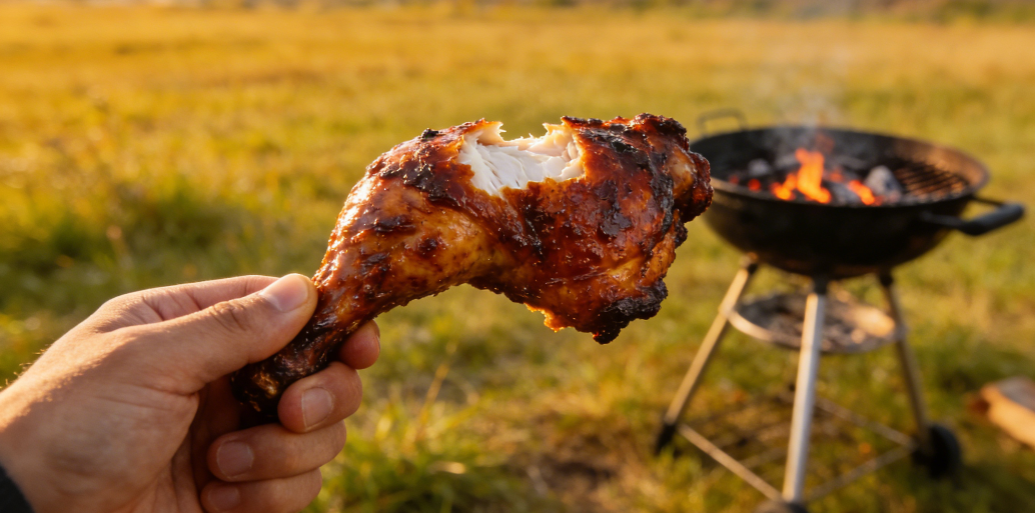
I took a bite. The crunch echoed in my ears. The spice warmed my throat. The smoke lingered on my tongue. I looked at the grill. The embers were glowing low, orange and sleepy. The wind picked up again, rustling the trees. I reached for another piece of wood, just one small chunk, to keep the warmth alive a little longer. The train whistle blew again, closer this time, shaking the ground slightly under my boots. I sliced another piece, the juice running onto the cutting board, the smoke still drifting, just a little, into the afternoon sky...