Hunan Boiled Beef
Look, I’ve spent most of my life around fire and smoke. That’s my comfort zone. BBQ has its own set of rules—steady heat, slow smoke, and you wait on the meat. No rushing. Ever.
So when I had “water-boiled beef” at a Chinese restaurant a while back? Big letdown. The beef was tough and dry, like chewing on a rubber band. The broth was so greasy it could’ve been dishwater. And the chili? All heat, no soul. Just dry, angry spice. I remember thinking, “Did I just get a bad version? This can’t be what everyone raves about.”
Then last Sunday, I was at a friend’s place. A bunch of us hanging around the kitchen island, chopping it up. Someone goes, “Hey John, you’re the fire master. Why don’t you try making real Hunan-style water-boiled beef?”
My eyebrows went up. BBQ is my home base, but I’d never played with Chinese fire rules. Got me curious—what does this dish have in common with my brisket and ribs?
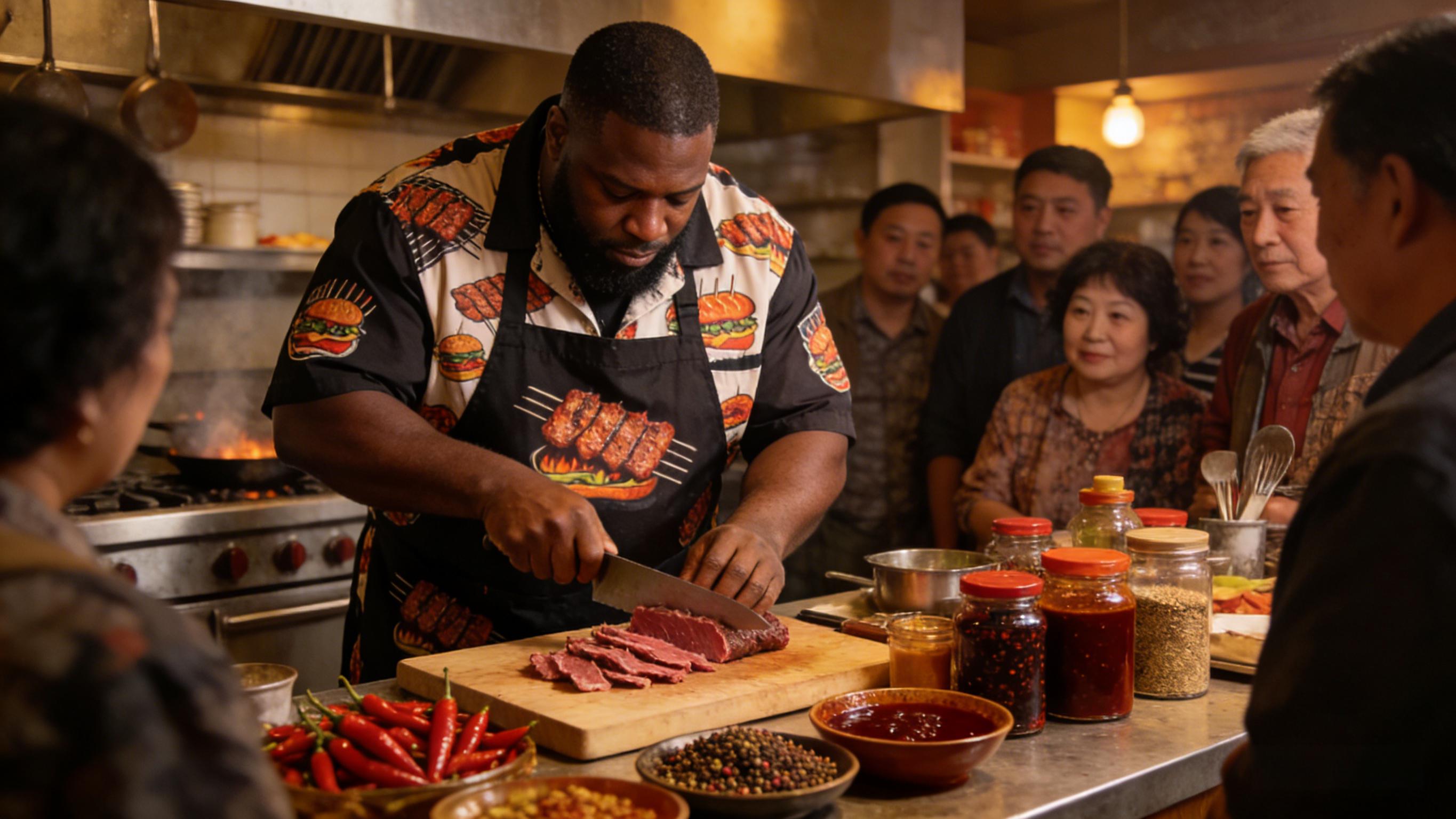
My friend laid out the ingredients. Red chilies, brown peppercorns, dark bean paste. And a beautiful piece of beef tenderloin. Looked amazing.
Then I actually had to cook it.
First problem: slicing the meat. Thin slices. Really thin. I’m used to cutting big chunks of beef for the smoker—rough, bold, low and slow. This was like surgery. My knife had a mind of its own. Some slices were so thin you could see through them. Others? Thick enough to grill as a steak.
“Hey, slice against the grain. Thin. Otherwise it’ll get tough.” My friend saw me struggling. Handed me a sharper knife, showed me the angle. I took a breath, slowed down. One slice at a time.
Someone at the counter laughed. “John, you can smoke a brisket like a pro, but you’re shaking over a raw beef slice?”
I grinned. “Man, this is harder than lighting charcoal in the rain.”
Then came marinating. The recipe said “moderate amount” of soy sauce, cooking wine, cornstarch. Moderate? I measure BBQ rubs in spoonfuls. What’s “moderate” for chili? One? Two? I just stood there holding the chili jar, frozen.
Wait—why is the beef turning white? And stiff? Oh no. Too much salt. I panicked and reached for water.
“Stop!” My friend grabbed my arm. “Add egg white. It’ll save the texture.”
Cracked an egg, mixed it in. Watched the beef relax back to soft and tender. Phew.
So I’m stirring the base mixture, getting into it, when—bark bark bark. The neighbor’s dog showed up at the door. Wanted in. That little guy has a nose on him. Usually he crashes my BBQ sessions. Guess Chinese spice smells just as good.
Now, cooking the base. This was a whole different challenge. BBQ is patient. Slow smoke, steady heat. But my friend said, “Stir-fry the bean paste fast until the oil turns red.”
I tried low heat, going slow. Oil splattered on my arm. Left a little red mark—felt just like a BBQ spark burn. And cutting chilies without gloves? My fingers were on fire. Rubbed my eye and almost cried.
“Don’t rush,” my friend said. “But here’s the thing—the ‘don’t rush’ for this dish is different from your BBQ. You cook the base low and slow to get the fragrance out. Like waiting for your charcoal to catch. But the beef? That you cook fast. It changes color, you pull it out. Same respect for ingredients, just different timing.”
I nodded like I understood. Kept stirring. Then the smell hit me—the red oil, the chilies, the peppercorns. All I could think was, Oh. You just know when it’s ready. Same as BBQ.
Here’s what I used, roughly:
| Ingredient | Amount (ish) | What it does |
|---|---|---|
| Beef tenderloin | 500g | The star |
| Dried chilies, Sichuan peppercorns | A handful each | Base flavor |
| Bean paste | 2 spoons | That red oil, Hunan soul |
| Soy sauce, wine, cornstarch, egg white | As needed | Tenderizes the beef |
| Greens (lettuce, bean sprouts) | Some | At the bottom, soaks up broth |
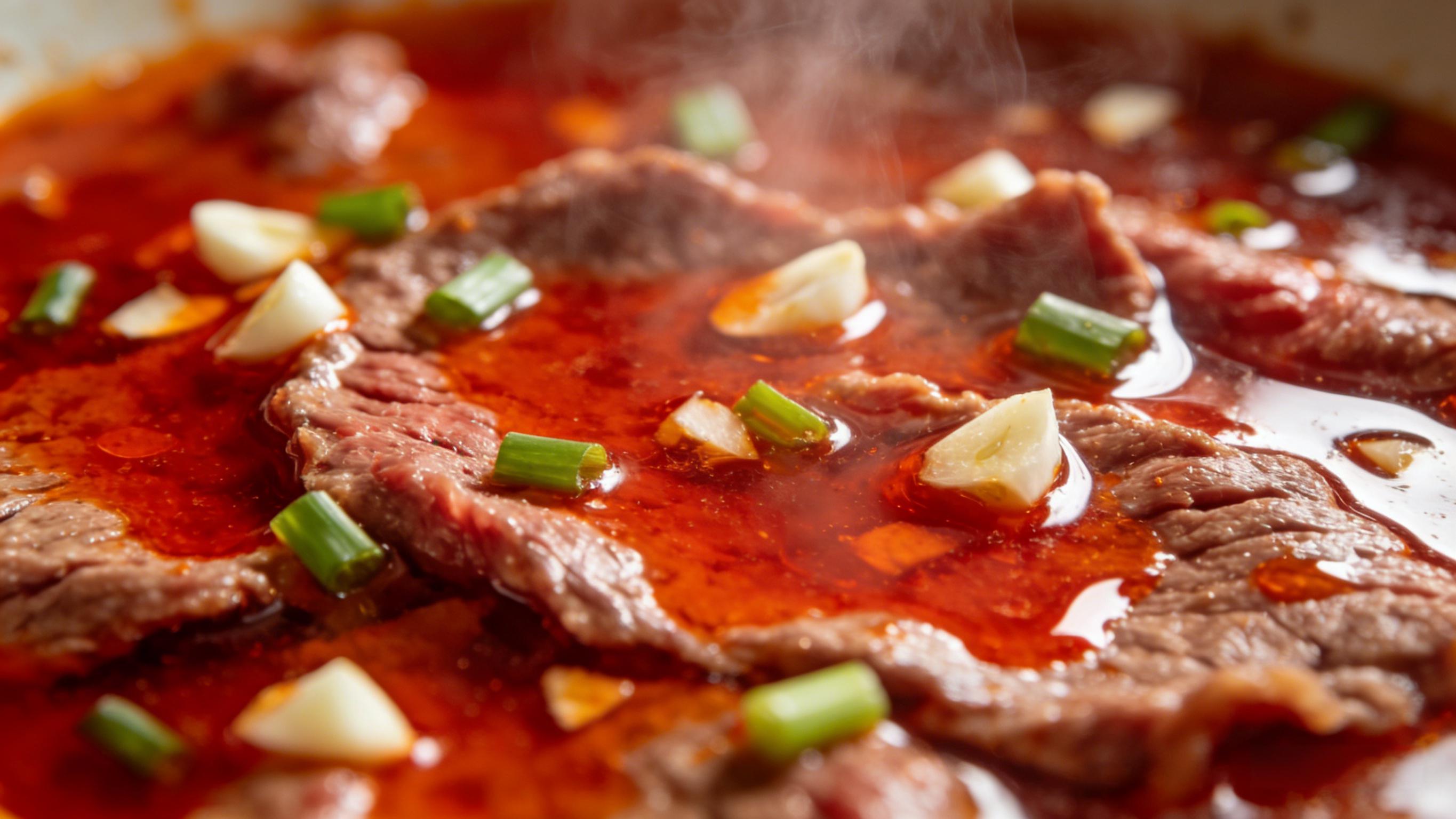
Once the base was ready, I added water, brought it to a boil. Quickly blanched the greens, put them in a bowl. Then the beef went in. I watched it change color—gray to pale brown—and fished it out fast. Poured the bubbling red oil over everything. Sprinkled scallions and garlic on top.
Looking at that bowl, the oil still bubbling, the beef slices trembling… something clicked. Hunan or Memphis, doesn’t matter. Good cooking is about patience and paying attention. No borders on flavor.
First time making this, I messed up a lot. Here’s what I learned:
- Slice against the grain. Thin. That’s 90% of the tenderness.
- Add egg white or a pinch of baking soda when marinating. And go easy on salt—the base brings plenty.
A couple more heads-ups:
- Cook the base on low heat until the oil turns red. Otherwise you’ll get raw bean paste smell.
- Drop the beef in batches. Too much at once cools the broth and overcooks the meat.
Quick FAQ (based on my own disasters)
Q: Beef keeps getting tough. What do I do?
A: Slice thinner. Against the grain. Add egg white or a tiny bit of baking soda. And pull it the second it changes color—don’t get greedy.
Q: The base doesn’t smell fragrant.
A: Slow down. Same as lighting charcoal—you can’t rush it. Low heat, let the bean paste and chilies hang out until the oil turns red. The smell will tell you when it’s ready.
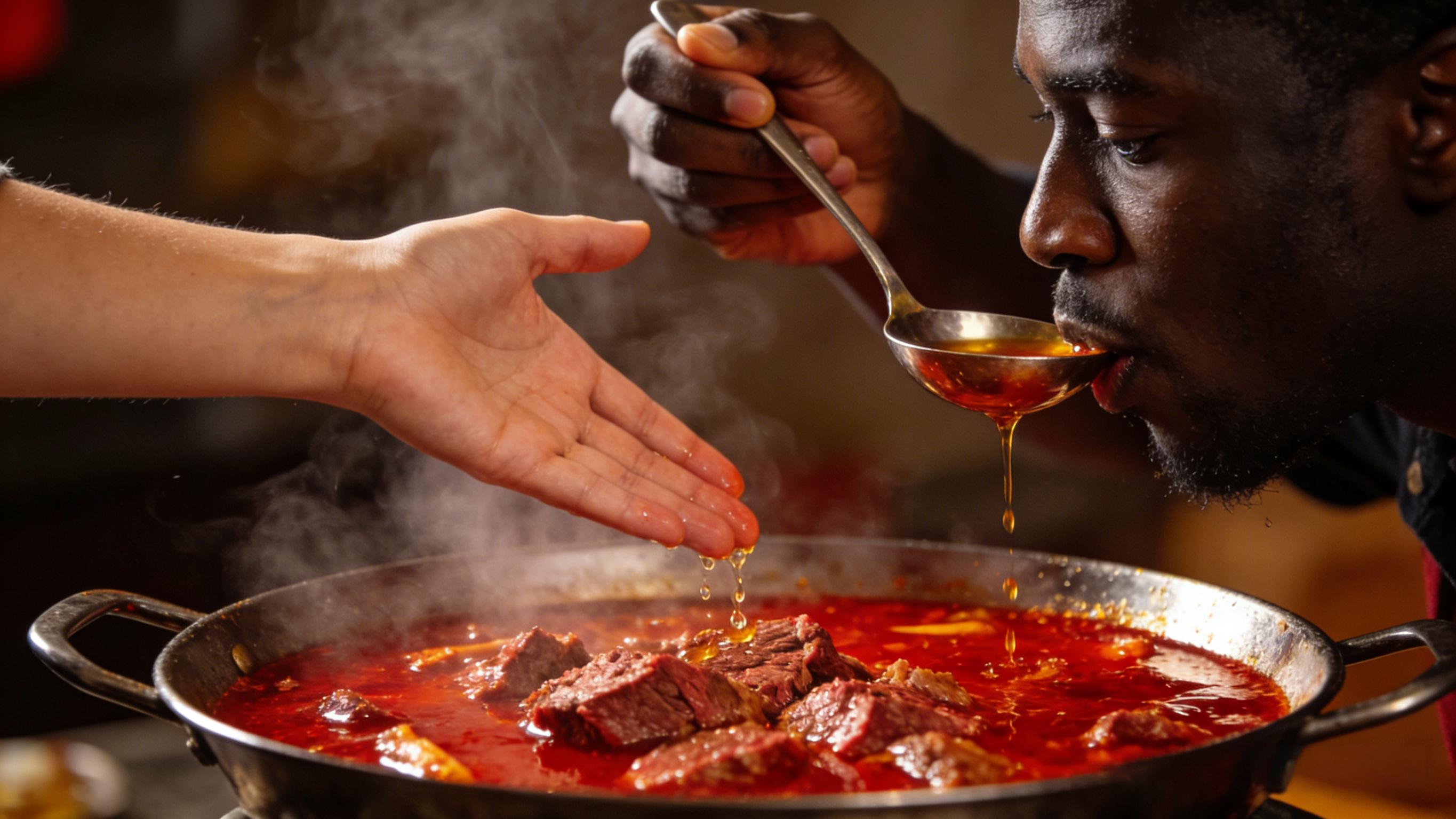
At the end, I lifted a spoonful of that red oil to taste it. My friend yelled, “Wait! Not yet! Hot oil on top!” My hand froze mid-air. The oil was still sizzling in the pan. And I swear—that smell was better than my best smoked brisket.
So yeah. A BBQ guy walked into a Chinese kitchen and came out with a lot more respect for thin slices and hot oil.
The bottom line? Good fire doesn’t care what country you’re in.